This weeks lecture focused on the combined
concept of information and attention- ‘infotention’.
The term is used to describe the
“psycho-social-techno skill/tools we all need to find our way online today, a
mind-machine combination of brain-powered attention skills with
computer-powered information filters” (Howard 2009). Simply put this means we
have the ability to seek tiny parts of information in a huge online space.
This is also known as a world of flow; we
live in a world where information is everywhere (Guilhard 2010). Sociologist
Danah Boyd, “suggests that you’re living in the stream: adding to it, consuming
it, redirecting it.” This means that we are no longer just passive consumers of
media, taking in the information fed to us via print and broadcast media.
Today, we can actively engage with the media content. We can comment on a
news-story or YouTube video if we think it is offensive or attention worthy, we
can even tweet and ‘tag’ opinions we have while watching a TV show. Zeebox is
the main program for that.

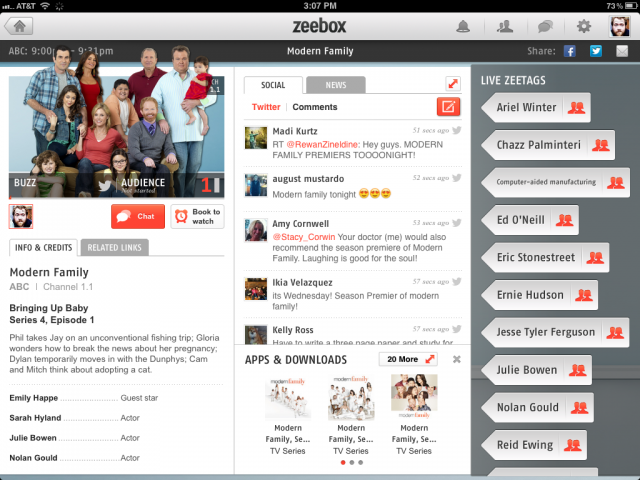
We can see this in the social media site
Twitter, or Tumblr, where you can re-post things and tag things you are
interested in or think other people should be interested in. My 12 year old
cousin has a Tumblr page about Pastel colours. Every time a #pastelcolour is
tagged in a picture it gets posted to her ‘wall’. She has (technically) created
a way in which she can effectively find information about pastel colours from
all around the world. Her attention is therefore more focused on pastel
colours.
There
is a ‘pseudo-evolution’ of the mind whereby attention spans are dropping whilst
our ability to absorb quick snippets of information increases (Cooke 2005) The
newly created iPhone app ‘Summly’ created by Nick D’Aloisio is a development of
this idea as it summarises the content of a webpage in to a few words. The
implication of absorbing small amounts of information quickly has further been
developed in televisions, which can display news headlines via voice
recognition. It could be said these implications of media convergence are
making our life increasingly fast pace (Cooke 2005).
 |
| Nick D'Alsiosio, creator of 'Summly' |
The
ideology of the Internet as a public space is crucial when discussing the issue
of The Commons. It would be hypocritical of any internet space to be
privatized, the idea of ‘commons’ should be embraced in a free, democratic
society.

No comments:
Post a Comment